 Eco123 Revista da Economia e Ecologia


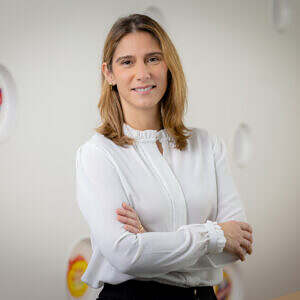
Bel Portugal is currently publishing its sustainability report for 2024. In it, the group reaffirms its claim to be Portugal’s most sustainable company. At least, that is what Paula Amaral, Bel Portugal’s Head of Sustainability and Corporate Communications, believes. She has made quite a bold statement to ECO123, explaining exactly what she means by this. Anyone who takes the trouble to read the 110-page sustainability report, which outlines in detail what makes this versatile cheese producer the most sustainable company in the country, will understand what she means.
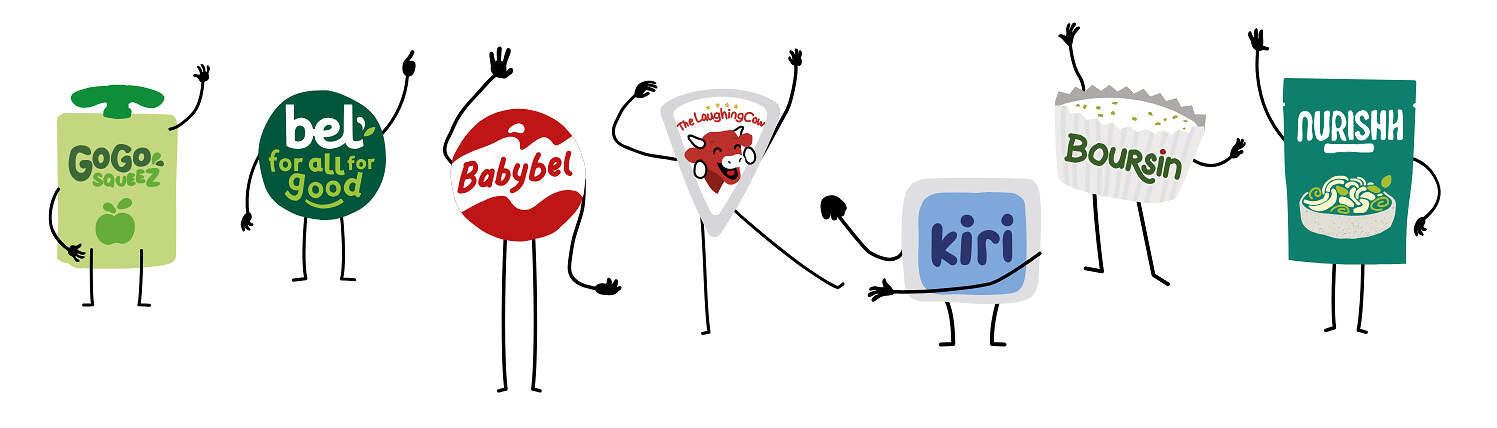
On page 54, I find what I am looking for: the topic of healthy eating. Bel Portugal has its roots in the Azores archipelago. Many excellent Portuguese products come from there: tea, pineapples, grapes, bananas, milk, butter and cheese. Bel has made a name for itself internationally over the past 20 years: its cheese products speak for themselves, they are well known on the market and are very popular. Take Boursin, cream cheese or Terra Nostra, for example. But who knew that the farmers who sell their milk to Bel practise sustainable and regenerative agriculture, with the animals and their feed becoming the absolute focus of the business, and the carbon footprint being certified by the Carbon Trust?
Still fresh in our memory is the fact that Bel is supporting a reforestation project with a mixed forest in Boticas in northern Portugal. ECO123 reported on this subject in May, explaining about the company’s cooperation with the WWF and the local cooperative.

From field to plate.
Eduardo Vasconcelos, Bel Portugal’s Purchasing Director, emphasises: “Sustainable agriculture is based on three pillars: animal welfare, with our aim being to ensure the care and health of animals; reducing our carbon footprint through the use of practices and technologies that minimise the impact of our business on the planet, including regenerative practices to improve biodiversity and soil health; and, finally, the relationship with producers, promoting fair and transparent partnerships that ensure the sustainability of our activity. These pillars represent a commitment to responsible and conscious milk production.”
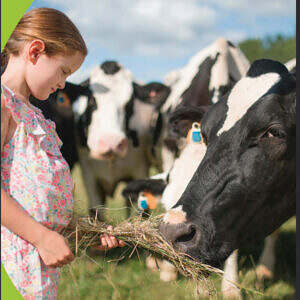 And Luis Gonzaga, one of 245 certified dairy farmers in the Azores, explains: “when I started the organic farming project in 2018, with all the knowledge I had acquired, I felt that something was missing.
Regenerative agriculture was the key to true success. We started to look at things from a different perspective: we looked at the soil first, making detailed analyses in order to understand and improve the life in the soil and its needs. A living, healthy soil with different plants and planned grazing brings rewarding results: it provides richer feed for the animals, affording them a more balanced diet with greater nourishment, leading to improved well-being and high-quality milk.”
Towards greater recycling efficiency.
On page 73, Bel states its intention to eliminate polystyrene (PS) from its products and packaging. Polystyrene is a type of plastic commonly used in food packaging, but it poses significant environmental sustainability issues. This material is difficult to recycle and can contribute to environmental pollution.
Bel is committed to replacing polystyrene with more sustainable and recyclable materials. These efforts are part of a global corporate initiative to reduce its carbon footprint and promote more responsible practices throughout the value chain.
Relatório de Sustentabilidade 2024 Bel Portugal PDF
Author’s note: How about using a reusable glass bottle and a deposit system to eliminate the plastic and aluminium from TetraPak altogether?