 Eco123 Revista da Economia e Ecologia

Financing a sustainable future?
24/10/2026 – 30/10/2026 by Uwe Heitkamp
Edition 42.2026
How much do you think it costs to plan, plant and manage a new mixed forest in a value-driven, responsible and sustainable manner? The area comprises at least 1.5 hectares of land and at least 1,000 trees, newly planted to create a mixed forest, with biodiversity as a key requirement.
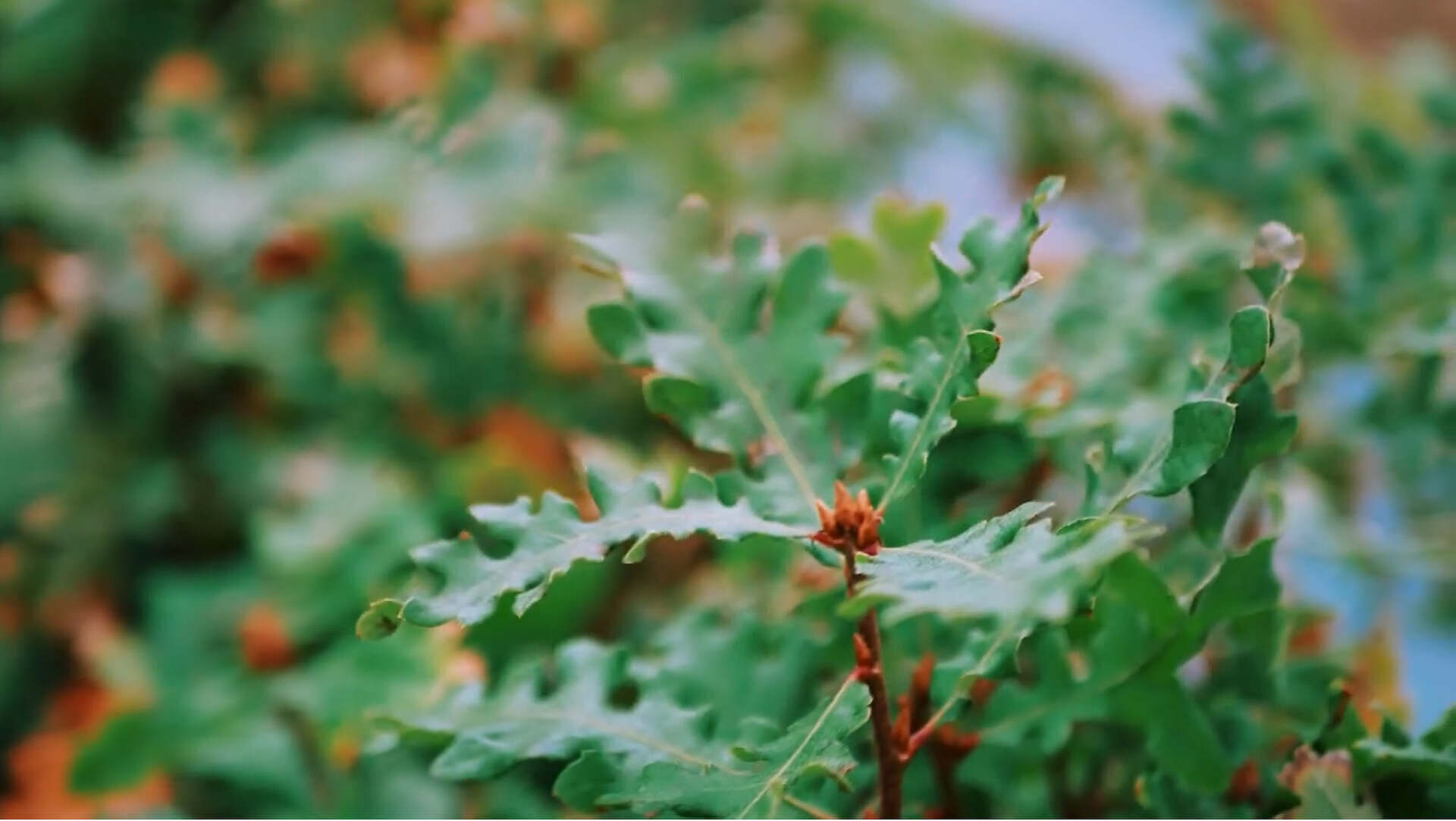 This short story is a brainteaser. We know that trees grow slowly and need time to progress from childhood through adolescence to adulthood. That is why the project is expected to take at least 30 years before its full realisation.
Native tree species bear witness to the passage of time. On the one hand, they are undemanding; on the other hand, they need time to grow.
Oak, carob and almond trees, beech and cork trees, and many more besides.
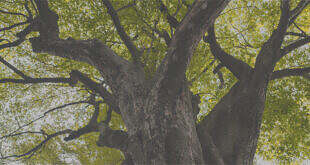
A cork oak in Corte Grande, Monchique, which is now 2,000 years old, was planted during the Roman Empire and has witnessed the passage of many generations. In the borough of Monchique, covering an area of 397.5 km², the forest has been destroyed many times by devastating wildfires. Only in exceptional cases has reforestation taken place – in very small areas with native tree species, on private land and thanks to the efforts of private associations, with financial support from an Irish airline. Otherwise, there are only eucalyptus plantations here – monocultures that are highly flammable.
Every ton of CO₂ sequestered by a mixed forest can be measured, certified and sold – or not, as the case may be. This is the business model that lies behind emissions trading and forms the core of the strategy whereby a customer takes out a loan from a crowd investment company and then repays it.
A crowd investment company brings together both investors and borrowers. The crowd investment platform secures the funding for the reforestation.
The more the new mixed forest grows, the more carbon it stores. It is precisely this carbon that is the source of the revenue intended to repay the loan. Is that clear?
So how does a young tree become a source of income? And, fundamentally speaking, do we even want to turn a planted tree into an investment? This is a question of principle and explains why this is essentially an experiment based on careful thinking. Let us follow the journey of one metric ton of carbon from the atmosphere to a company’s climate report. New forests are the other side of climate change; many new forests promise to slow down climate change. Is this a contemporary idea?
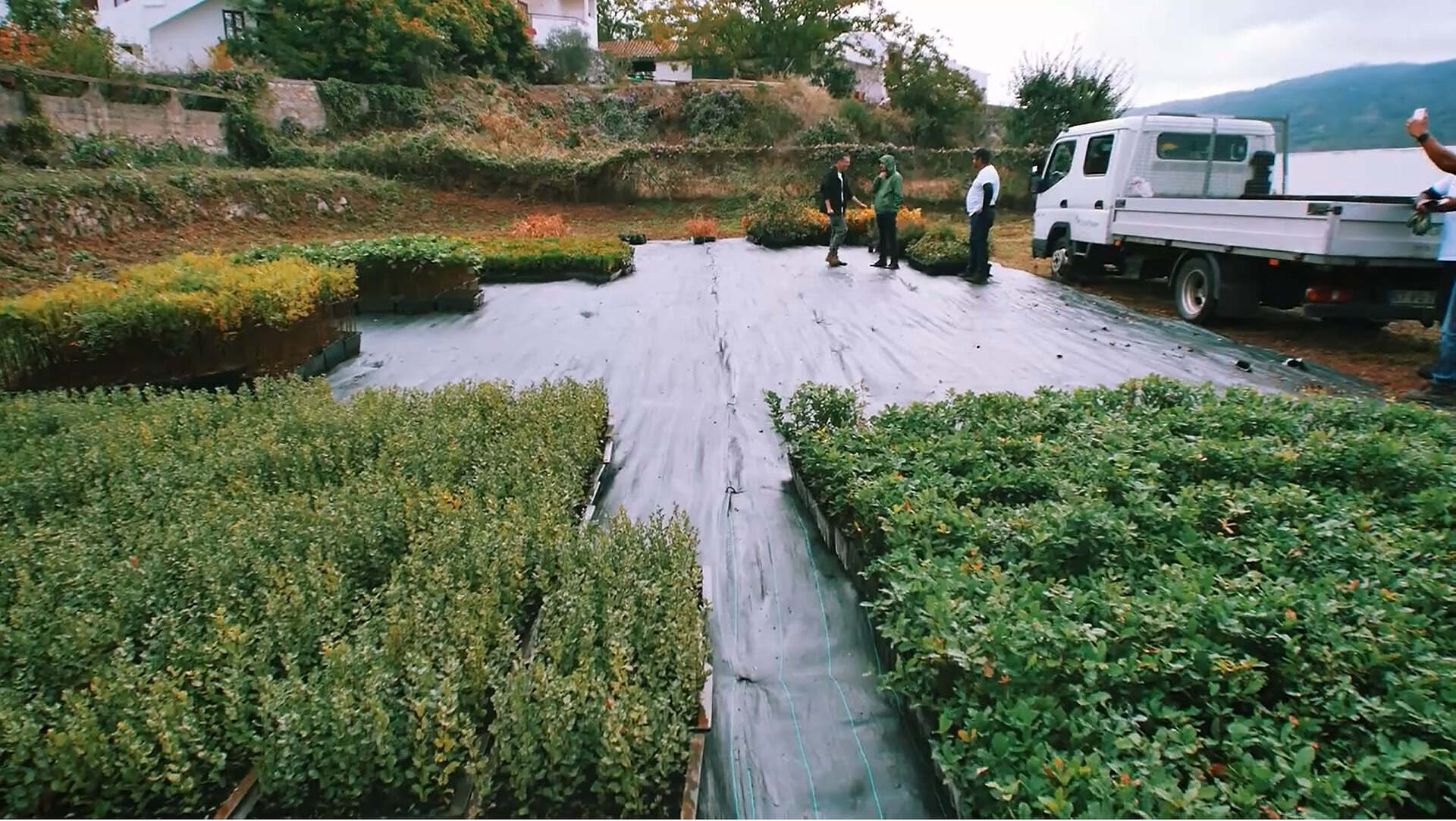
Firstly, forests sequester carbon. As young trees grow, they remove CO₂ from the air and store it in wood and soil.
Secondly, the carbon is converted into a certified emissions credit. Forest owners register their projects. Every certified ton becomes an emissions certificate. Of the credits that a project is expected to generate over its entire lifetime, 10 per cent can be sold shortly after registration – long before the forest has reached full maturity and is sequestering the most emissions.
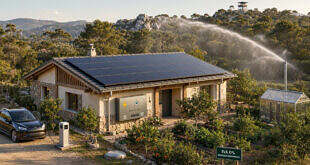
To safeguard the entire project, the new forest owner is advised to protect the new mixed forest with a sprinkler system against potential new forest fires. The forest thereby acquires a value.
Thirdly. Companies such as oil and gas firms, transport and aviation companies, and many others are the buyers, for example. Since 2026, large companies have been required to calculate their carbon footprint and publish reduction plans. Offsetting remains voluntary, but these companies have now documented their emissions in writing and drawn up plans to offset them accordingly. This is how emissions trading works.
Investments and what the repayment plan is based on
 Repayment comes from various sources, including the emission credits from this project, which the forest owner can sell in the first year, as well as the services they already provide to companies, such as support with project development and CO₂ management.
Repayments begin after a six-month grace period and extend over a total of, for example, 36 months. The schedule is based on the way in which the new forest owner achieves the best margins: by transferring certified forest areas, plot by plot, directly to companies. Finalising these sales takes longer than selling emission allowances in bulk, so the 36-month period provides the necessary flexibility.
By investing in this campaign, investors benefit from the following terms:
7.2% interest per annum | 3 years | monthly payouts
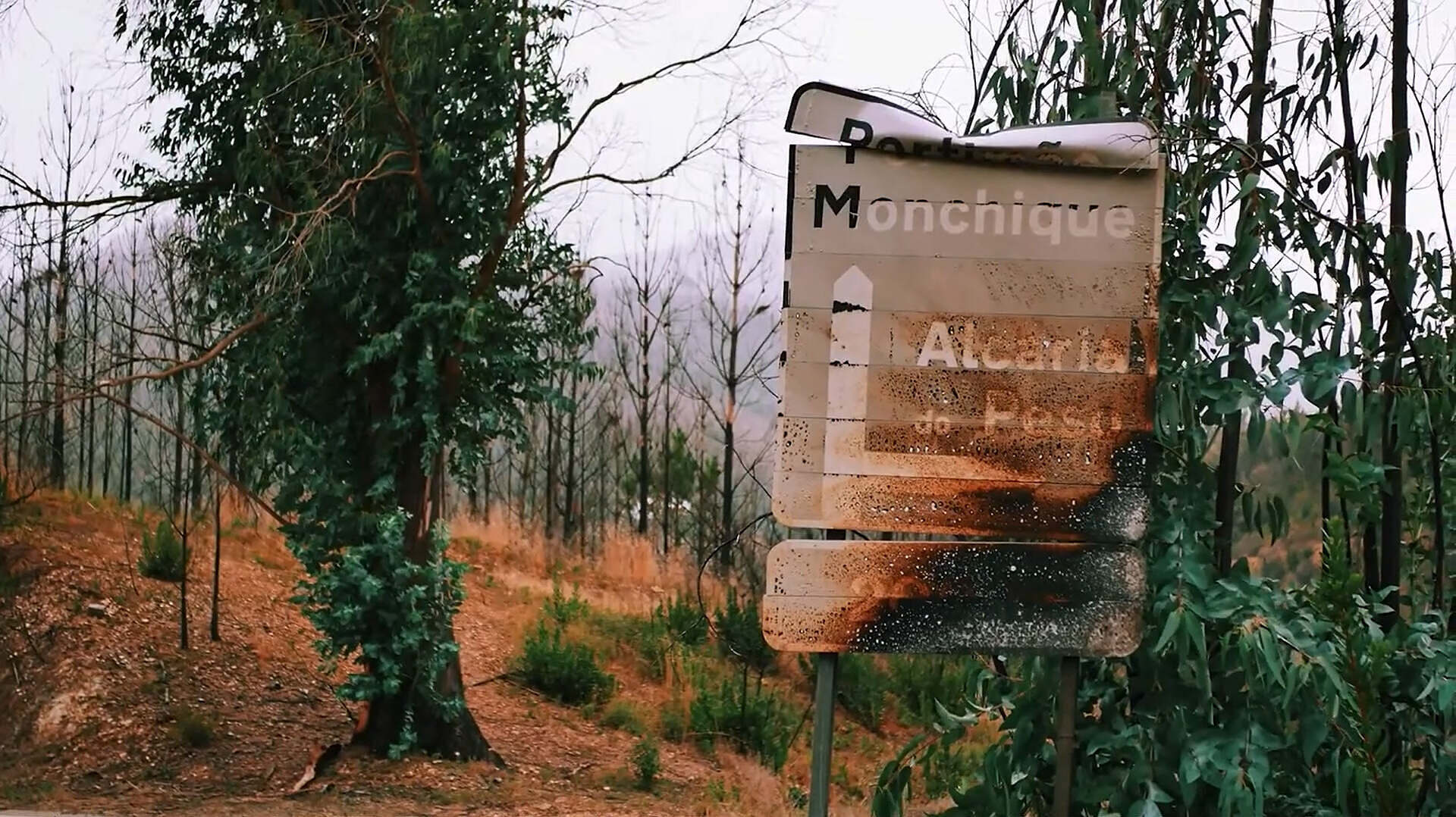
The loan is also secured by two forms of collateral. The first is a pledge of the project’s emission allowances – from a forest, for example, in Monchique, Silves, Odemira or Aljezur – which is registered and is expected to sequester 3,000 tons of carbon over a period of 30 years. The second is a pledge of the carbon credits from the new forests financed by this loan.*
In this way, the funds benefit the reforestation of areas that were once forests, but have been destroyed by fires. Every new mixed forest planted by the new forest owner breathes new life into land that had been lost following a forest fire, and it is precisely this new forest that forms the basis of the repayment plan. If this is the kind of future that a responsible investor would like to help shape with their money, we can provide you with full details of this business idea on request, should you wish to apply. What conclusions do you draw from this thought-provoking exercise? Do you own land that you would like to turn into a forest, or could you envisage investing in woodland?
*https://mvcarbono.pt/pt/projetos/