 Eco123 Revista da Economia e Ecologia

21/11/2026 – 27/11/2026 by Uwe Heitkamp
Edition 46.2026
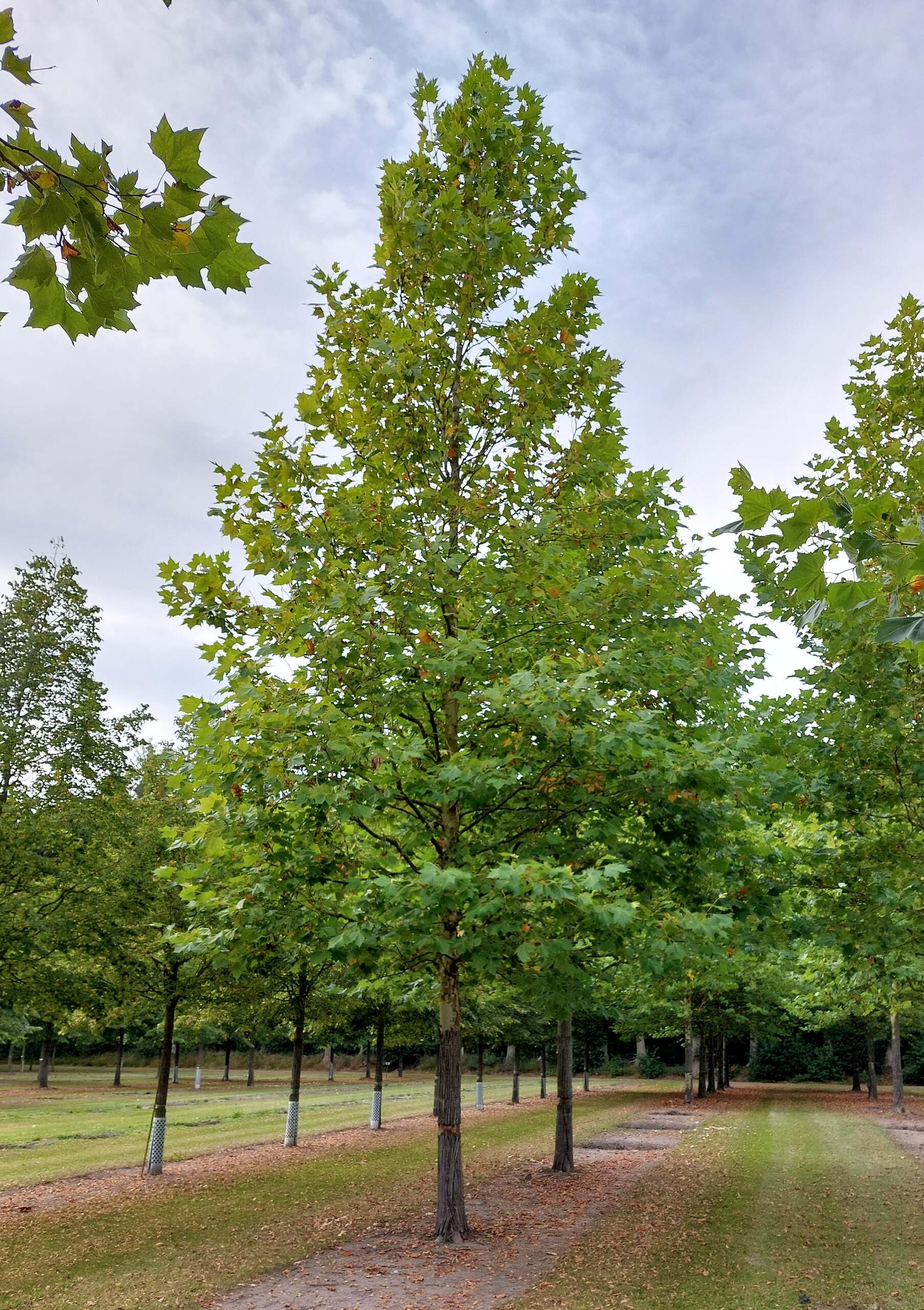
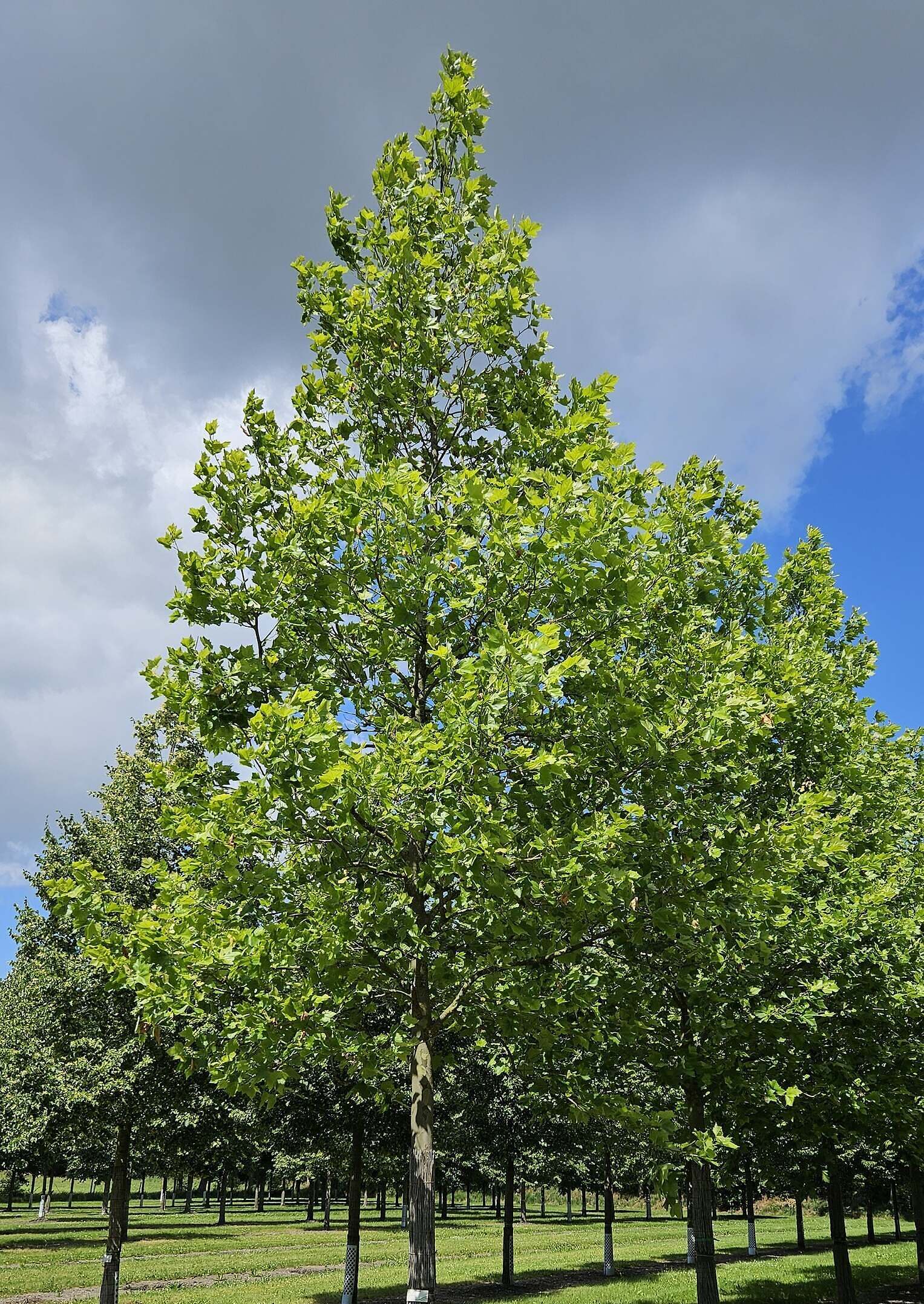
Why are some 4,500 new trees set to be planted every year from now on in a city with a population of over a million people, like Munich? The city council has decided to use trees as part of a green strategy designed to combat the urban heat, slow down climate change and cool the city in a natural way. The trees will be brought to Munich from a nursery in northern Germany, and the first batch was transported last week by articulated lorry. The first consignment – 150 trees from the Bruns nursery in Oldenburg (mostly plane trees, around 30 years old) – had a long 770-kilometre journey ahead of them.
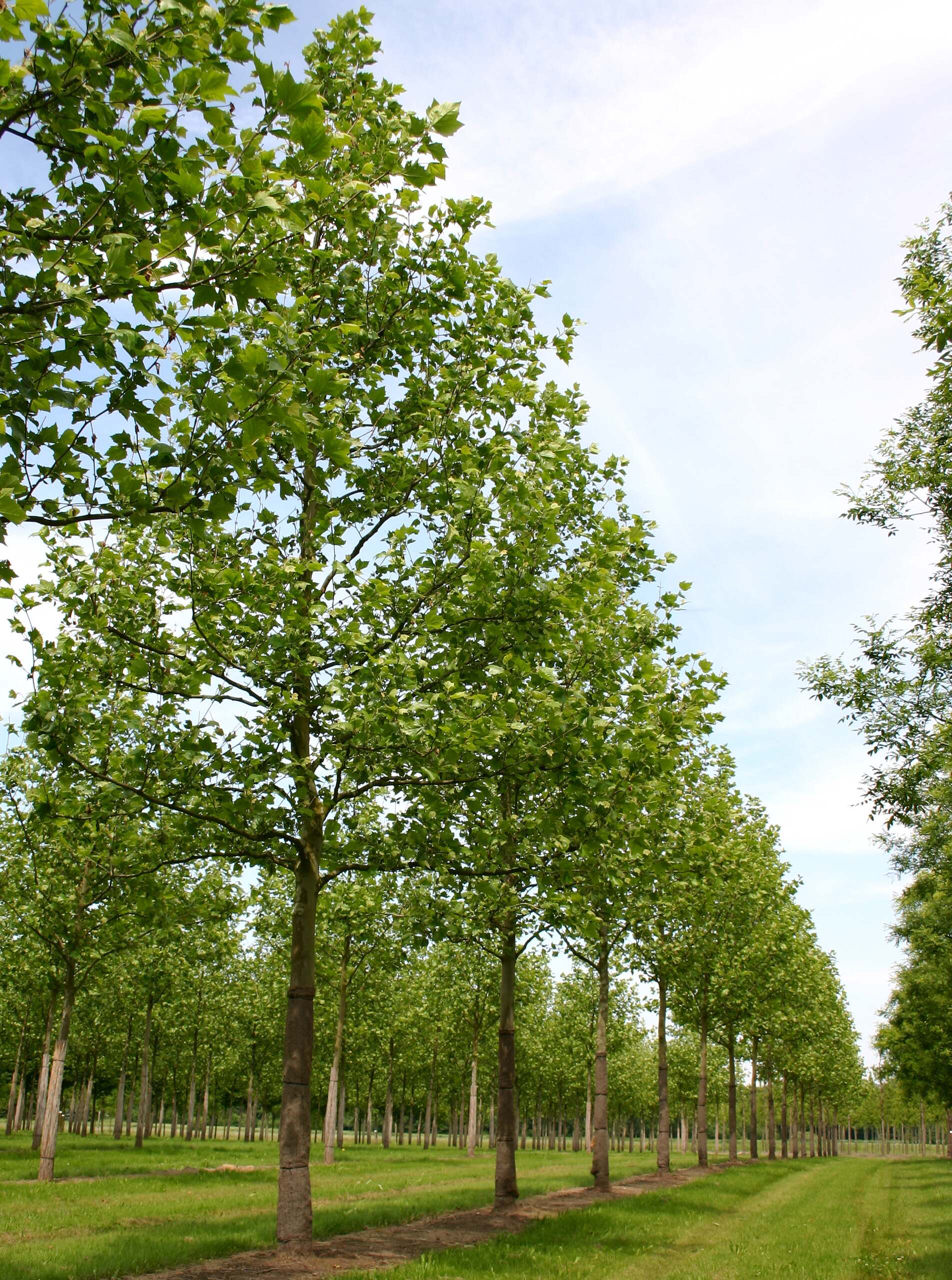
The trees are already between 12 and 14 metres tall, with crowns between four and six metres wide, and they were dispatched with their root balls intact. Munich has more than 1.2 million inhabitants and this week the team from the Building Department began the first plantings at carefully selected places in the city centre. Special sites are needed where there are no sewage pipes, no internet cables, no electricity cables and no underground obstacles to hinder the trees’ growth – or, conversely, where the trees’ root systems will not damage the urban infrastructure – making the whole process a very delicate task.
I’m going to ask just one question. Why isn’t something like this also being done in Portugal, in Lisbon and Porto, or simply in the Monchique mountains and other areas of the Algarve affected by wildfires? More precisely in places which suffered repeated blazes in 2003, 2004, 2016 and 2018, and where around 280 square kilometres of woodland in Monchique were destroyed in 2018 alone.
Following the last forest fire in Monchique, GEOTA, a Portuguese environmental NGO from Lisbon, began an emissions trading scheme, in partnership with a well-known Irish airline, planting native tree species on private land as part of an ambitious reforestation programme. GEOTA speaks of 600,000 newly planted native trees, but has never been able to verify this figure precisely. Even forestry experts acknowledge that this is, at the very least, a remarkable start.
(https://geota.pt/projetos/renature-monchique)
Monchique Municipal Council should also undertake a forest inventory as a matter of urgency, seeking above all to identify which burnt-out and abandoned eucalyptus monocultures (plantations for which no owner is willing to take responsibility) pose a risk of future forest fires. As a first step, anyone who has not cleared their burnt-out woodland of dead trees resulting from the 2018 fire and who does not carry out annual clearances should receive a bill from the town hall (if someone else carries out this work) and, if this is not paid, the council should consider expropriating the land. There are more responsible prospective buyers of abandoned, inherited woodland plots than there are owners who have either left the region or passed away and whose descendants no longer have any interest in them. After all, owning woodland always means ‘taking responsibility’ – and often for one’s neighbours’ land as well…
In conjunction with its landscape architects, the local council should therefore draw up a plan specifying what is to be replanted and which plots must be left clear in order to create firebreaks. Every woodland plot must be cleared annually, i.e. cleared of wild undergrowth every year.
And in any case, one of the greatest dangers comes from abandoned private woodland, from unchecked eucalyptus growth and from invasive species such as acacia and mimosa plantations. Once it has been burnt, the eucalyptus tree regrows immediately without any human intervention. And invasive plant species inadvertently sprout again everywhere. In the newly growing wild forest – which is regrowing of its own accord – the young trees are so densely packed that, in the event of a fire, the fire service would be unable to gain access to the forest (jungle), presenting an enormous risk in terms of potential future forest fires.
Plant new trees? Reforestation after the forest fires? First of all, a plan is needed to clear the “abandoned” burnt-out forest plots – and that means “clearing” them in the truest sense of the word. After all, future forest fires must be prevented.
Anyone who allows the Monchique district’s forest to fall into such disrepair and fails to clear it up should not be surprised if, in future, hikers and tourists steer clear of Monchique and the Algarve and head elsewhere…
With this in mind, a very interesting event is taking place in Faro next week, on Monday 23 November at 2 pm. It is entitled “E se o turismo acabasse… no Algarve?” Translated, this means: “What if tourism in the Algarve came to a standstill?” The roadshow, organised at the invitation of the Secretary of State for Tourism, Pedro Machado, will take place at the Algarve School of Tourism and Hospitality in Faro: https://www.ipdt.pt/
Finally, here’s some encouraging news – from WWOOF Portugal. What on earth is WWOOF? It is a decentralised, global organisation which, since 1971, has helped people from all over the world wishing to gain experience in agriculture and forestry, offering them a short-term placement in different countries, including Portugal. ECO123 quotes from a letter: “Dear hosts, we have been contacted by a WWOOF host from the UK who is looking for Portuguese organic olive oil and other organic products for his small farm, ‘The Veg Shed’.
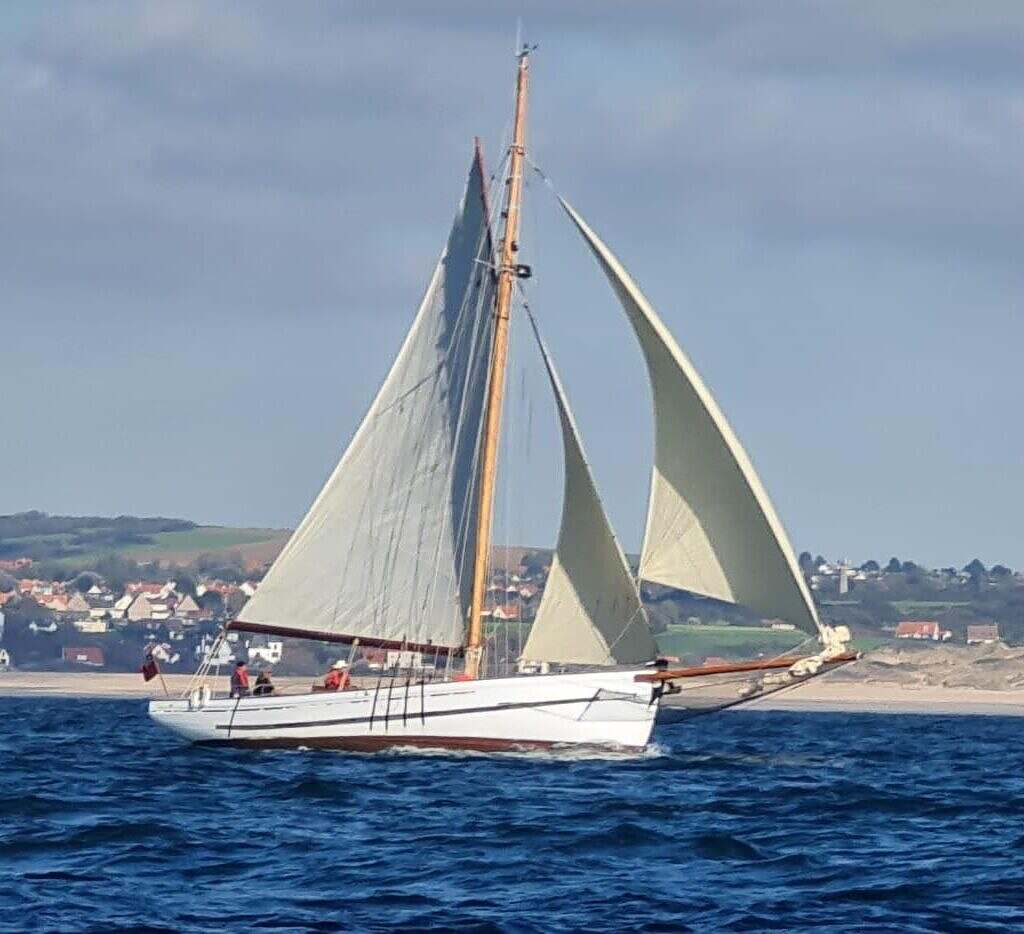
What’s particularly interesting about this initiative is that the products are transported by sailing ship from Porto, Portugal, to the UK!” So it’s climate-friendly…
Further information can be found at: https://wwoof.pt/en/ and on the website: https://www.kensonsfarm.co.uk/