 Eco123 Revista da Economia e Ecologia

Fever. Living in times of heat.
07/11/2026 – 13/11/2026 by Uwe Heitkamp
Edition 44.2026
I took the thermometer from the bookshelf in my living room and went outside. I wanted to measure the temperature in the sun. It was the height of summer, the middle of August, and we had a granite rock on the other side of the property, bathed by the sun in a magical glow. I sat on that rock for fifteen minutes. It was just before five o’clock in the afternoon. The thermometer rose quickly to 30 degrees and, within a moment, it was showing 35 degrees Celsius. But that wasn’t all. The mercury continued to climb – to 36, then to 37 and 38 degrees – and only came to a halt just short of 41 degrees Celsius. I’d had enough and walked up to the old umbrella pine. It was unbearably hot. I felt dizzy, as if I had a fever.
As soon as I stepped into the shade of the tree, the temperature stopped rising. At first, it stayed there, but then it began to fall again, only stabilising at 32 degrees Celsius. After a while, the temperature shown on the thermometer had dropped to 30 degrees. I found the shade of the tree I was standing under very pleasant. I’m telling you about this experiment because, recently, an employee of the local electricity supplier tried to explain to me that I’d have to fell the tree: its wide-reaching branches were getting too close to the 15,000-volt power line and, if the two came into contact, the sparks that would fly could easily cause a forest fire in windy conditions.

I responded with a question. Who on earth was here first, I asked, the tree or the high-voltage power line? The tree was now 126 years old. When the power line was laid, the electricity company should have taken this into account and could, for example, have laid the cables underground or, for all I care, on the other side of the road, so that the line could have kept the minimum distance of five metres from the tree. I refused, and will continue to refuse, to fell the tree; I also put this in writing and gave my letter to the employee.
Ever since then, I’ve been wondering why it is always nature that has to give way when it comes too close to the technical achievements of the modern age, rather than the other way round. Why don’t electricity companies seal the power lines? Where the bare copper cables pose a risk to people and cause fires, they could be insulated with plastic, thereby ensuring that they no longer cause forest fires through flying sparks. For the sake of peace, I cut off three branches that were close to the cables, thereby reducing the risk of fire. Now the tree and the high-voltage power lines were once again five metres apart, as required by law. I kept a close eye on every tree in our botanical garden in Caldas de Monchique when it came to ensuring its well-being. What did that mean in practical terms? Be mindful.
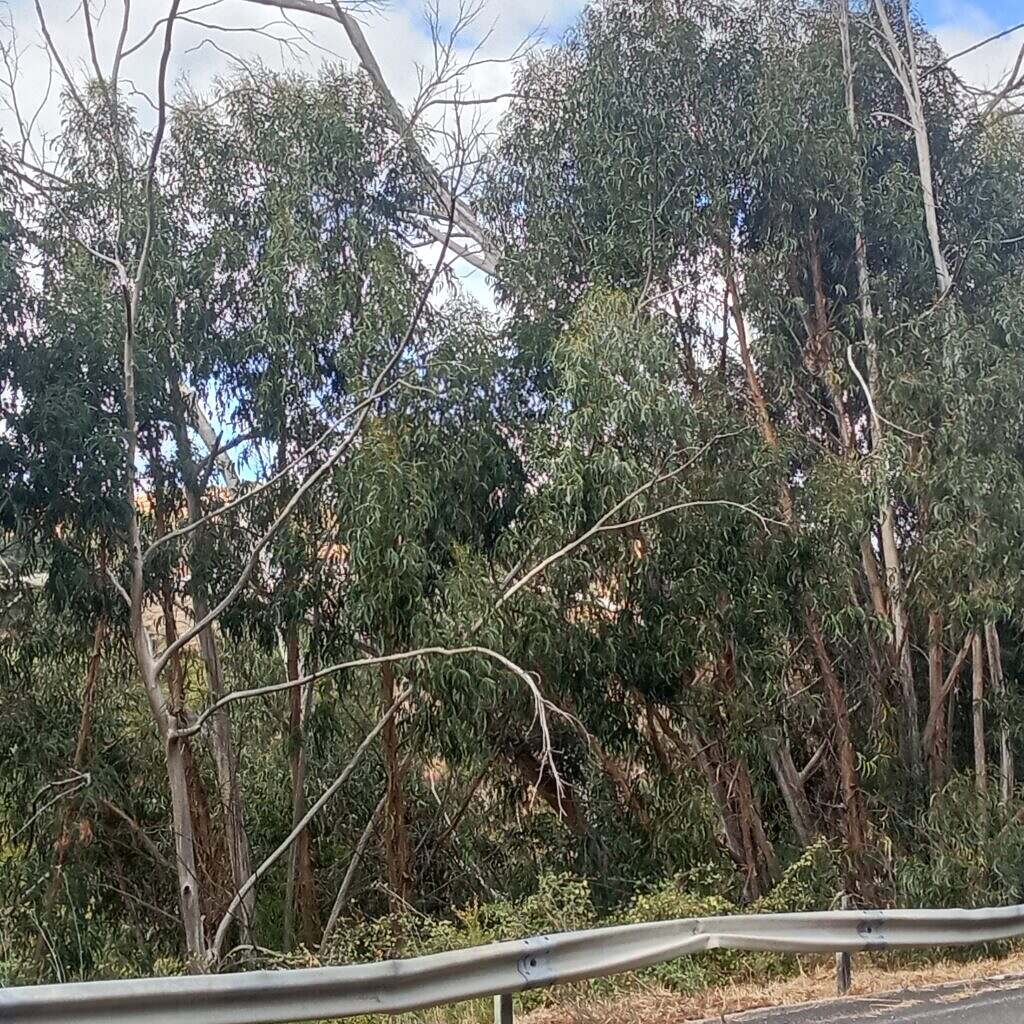
Here is another example. In 2018, there was a forest fire caused by flying embers in the Perna da Negra valley, twelve kilometres north of Monchique, which immediately spread to the monocultures of eucalyptus plantations. I had cleared all the wild eucalyptus trees in the Botanical Garden, except for one, which I had left standing there so that our visitors could see how eucalyptus develops in comparison to native tree species, such as cork oaks. I showed them what happens when you engage in industrial cultivation and incorporate nature into the cycle of added value, profit and loss, rather than subordinating nature’s economic interests to its own laws.
And to describe the situation once again in precise terms: it was not the tree that came too close to the high-voltage power line, but the high-voltage power line that came too close to the tree. This made it clear to me who had to give way, and thus the conflict was resolved as far as I was concerned.
Perhaps I should explain to the uninformed reader that not all trees are the same. Eucalyptus is the tree species from which the paper industry in Portugal derives its income: the Navigator Company. The Amorim family makes its money from cork oaks. Very few tree species are free from economic constraints. And our cooperative is committed to planting and promoting tree species that are native to Monchique. Nature conservation is at the heart of our work.
At the time, I hadn’t expected this at all: after the forest fire, an alien species took root in our soil. There was a name for it, and a website from Coimbra described acacias and mimosas as tree species that had been introduced into Europe from Australia: they were now taking over the countryside at an alarming pace, reminiscent of a Star Wars battle, and leaving local residents who owned a garden with a few fruit trees to deal with the problem on their own. An acacia in my neighbour’s garden had wrapped its branches around an apricot tree and was killing it with this embrace, as its roots were depriving the tree of water and nutrients, and slowly strangling it. My neighbour took his chainsaw and felled the acacia. He would have been better off leaving it alone. For, via its root system, the acacia signalled to other trees of its kind, and these multiplied in next to no time. Nobody had planted them. The seeds were carried by the wind and took root everywhere following the forest fire: the scorched earth allowed these so-called pioneer plants from Australia to spread naturally. And whenever they were threatened – whenever a chainsaw felled one – new shoots would immediately appear, multiplying over the course of weeks and months.
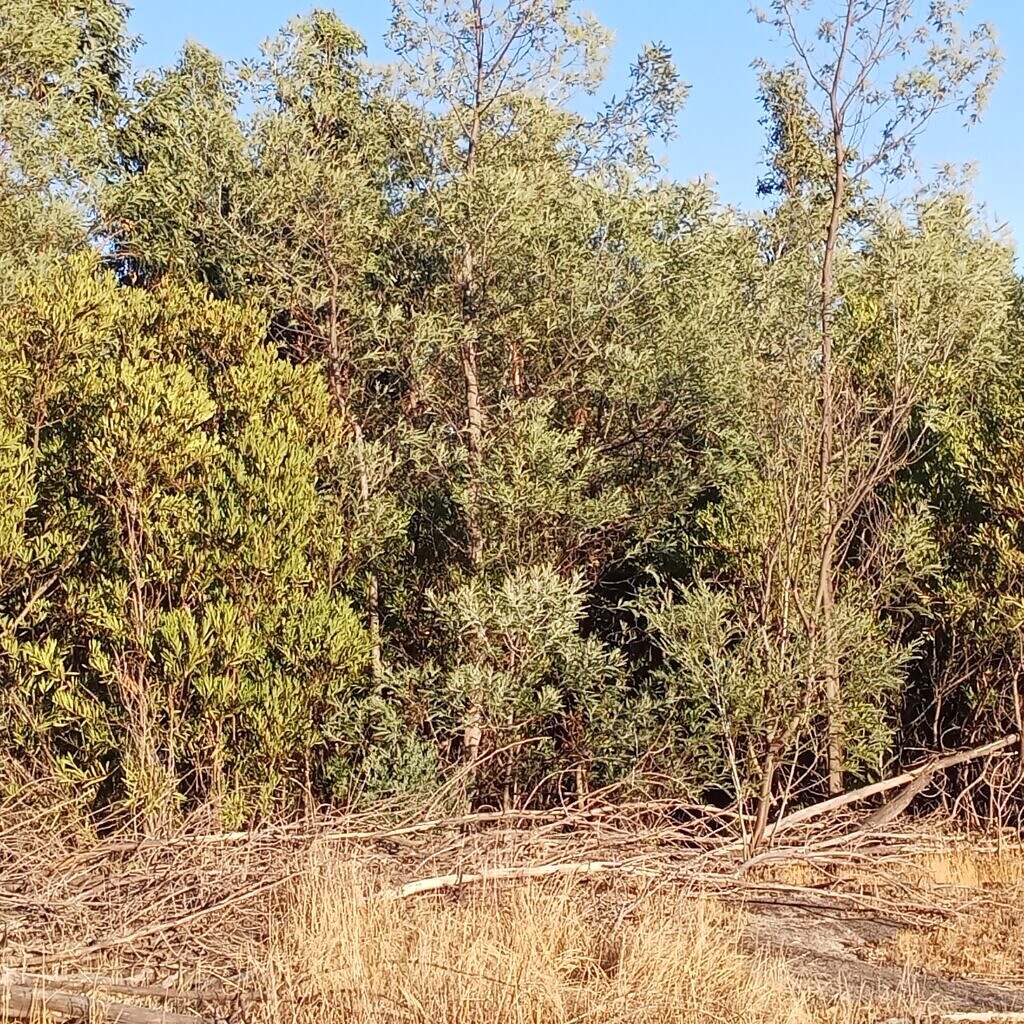
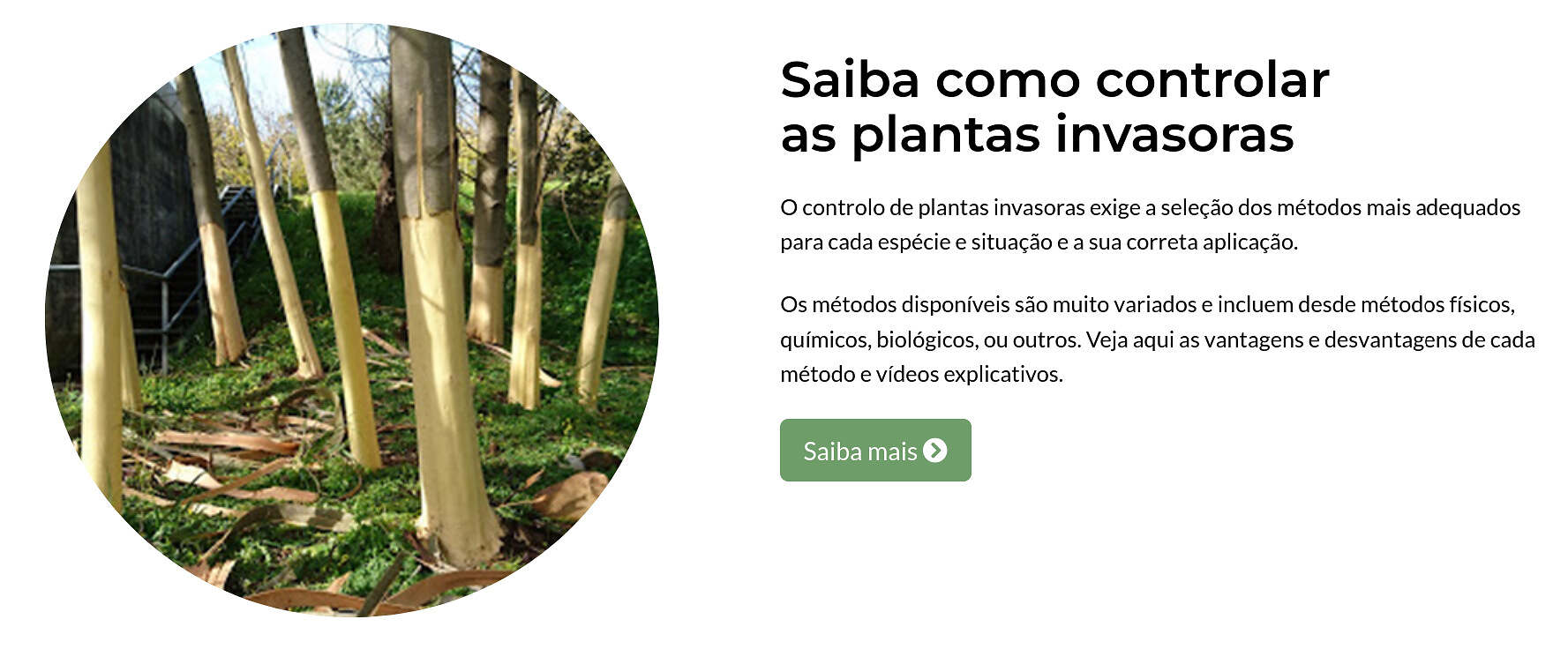
I observed the acacia and mimosa trees very closely over several months before taking action. When the first acacias started attacking the cork oaks in an attempt to wipe them out, my observation gave way to preparation and I took up the fight. I got hold of some literature on the invaders, which had already infested half of the remaining tree population and were on the verge of taking over the natural world: http://www.invasoras.pt …
All you need to do with acacias and mimosas is to peel off their barks, as this is what protects them from drying out. A pocket knife is all you need to get the job done.
And so, day after day, I went to the Botanical Gardens with my dog Max and stripped away the bark from the intruders. It was the only way. Strip off the bark from the ground up to a height of one and a half metres, then wait and move on to the next acacia or mimosa. As these invasive species are water-intensive tree types, their roots monopolise all water sources and cut off other trees – which do not grow as quickly – from their water supply. Stripping the bark is the only way to tackle these invasive species.
If you have any questions regarding the Botanical Gardens, please write to us at: editor@eco123.info.