 Eco123 Revista da Economia e Ecologia

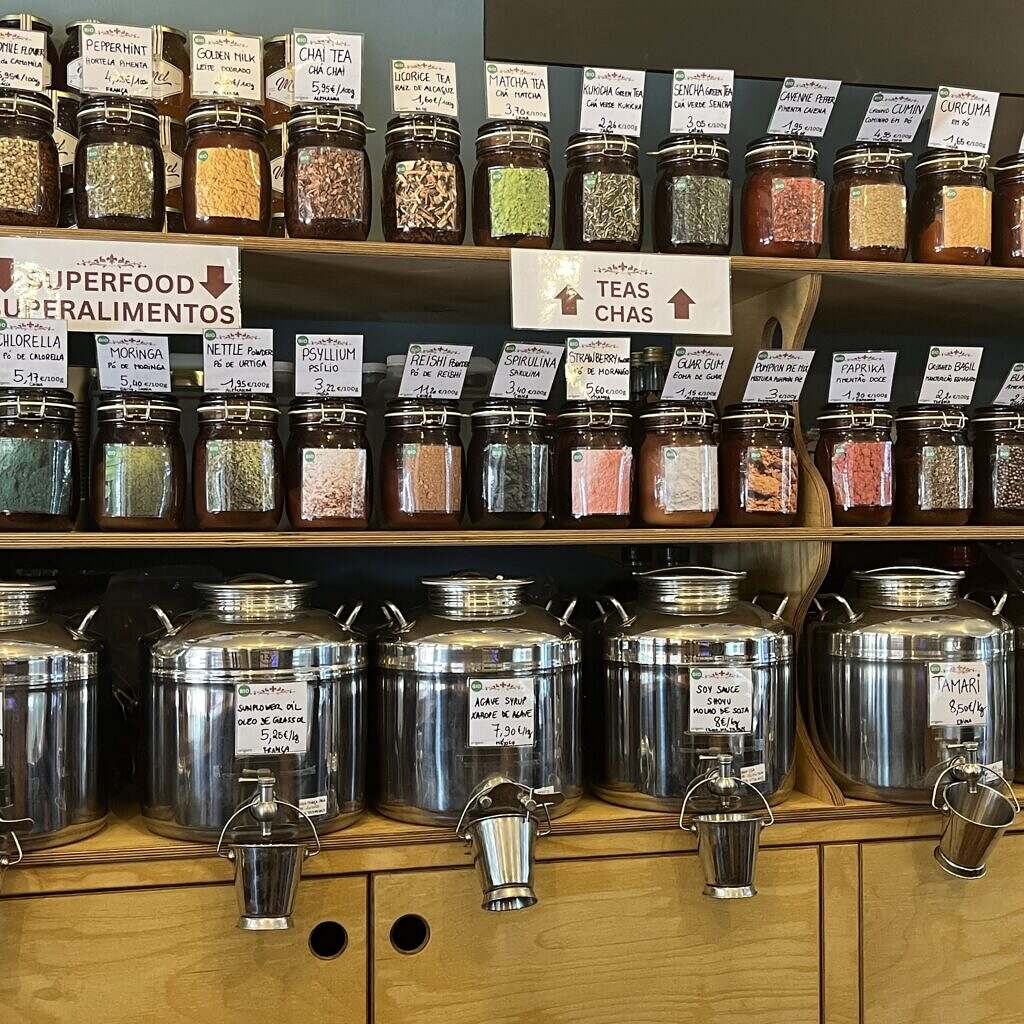
In the municipality of M in P, a story unfolded that couldn’t have been more bizarre, because the circumstances were somewhat new and people had to get used to them first. It was like following a new trend in fashion. Mayor Paulo A. woke up one morning before the local elections and a new idea was already spreading through the municipality. He didn’t actually have an election programme, and, while he was desperately thinking and searching, the idea came to him. It had appeared to him in a dream: from today onwards, there would be no more rubbish in his municipality. People were tired of lugging plastic, metal, paper and packaging material from their homes to the recycling bins of the “ECO-Ponto”, which were located on every corner, and throwing their waste into them. The rubbish dump in nearby Portimão (Porto de Lagos) had recently been closed because it was full and already beginning to overflow. 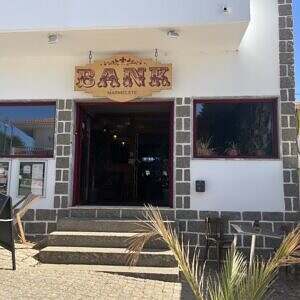 Where should all the plastic be buried now? So, some citizens came up with an innovative idea in M, which a small organic shop had recently started practising and which had already been well received by its customers, namely to produce no rubbish at all. No more waste? A supermarket had also adhered to this scheme and now only sold food that was not packaged and had not travelled many kilometres. The food could be preserved for a long time, having been produced in M and delivered fresh and unpackaged every day. This was a local economy at work. And there was no more frozen food either. Well, well.
There were sometimes more goats than people in M. Their liquid milk was available unpackaged from a constantly cooled steel container that stood on a pedestal like a refrigerator, directly behind the sluice gate at the entrance, from which people extracted the milk into bottles or jugs they had brought with them, just as others did with beer in the pub in the evening. The milk was brought to the cooperative by local farmers and homogenised there in a small dairy. There were five goat farmers and one cow farmer in M, and many beekeepers.


Their honey and jam were sold unpackaged from large containers by the kilogram, and customers brought their own jars to fill with the honey and jam, then screwed their lids back on and sealed them securely. The jars were called Tupperware – it was a new American product – and the shock-resistant glass containers could also be used to store ketchup, mustard, mayonnaise and other liquid foods. Plastic had been banned by the government. The Swedish company Tetru Pak had subsequently filed for bankruptcy. Yoghurt and kefir, cheese and sausages were once again weighed individually and sold in containers brought by the customer. The same was true for drinks such as apple and orange juice. The shops now had a juicer, where customers could buy their fruit juice freshly squeezed, which was also much healthier: mango, cherry and kombucha.
Incidentally, a new era began in which packaging regained its value. Coca-Cola was only available in recyclable glass bottles, and the same happened with mineral water and alcoholic beverages. Disposable packaging had been banned by the government. People bought full bottles and paid a deposit, which was refunded when they returned the empty bottles. Nothing was thrown away anymore. That was the real significance of it all, because rubbish had been abolished. And our world in M suddenly became clean and the local market began to fill up again. There were also no more plastic bags at the supermarket checkout, only cloth bags that could be reused over and over again. Reuse took on a deeper meaning. Those who no longer had any rubbish did not have to pay refuse collection fees with their monthly water bill, but instead received an environmental bonus from the municipality on their tax returns. And, suddenly, all citizens wanted to be ‘Amigos do Ambiente’. And if they haven’t died, they are still alive today and, above all, will be alive tomorrow…
Next week, ECO123 will publish an environmental survey of ten supermarkets and bio-shops between Lagoa and Lagos, Aljezur and Monchique. Stay tuned.