 Eco123 Revista da Economia e Ecologia

03/10/2026 – 09/10/2026 by Uwe Heitkamp
Edition 39.2026
There are various ways to stimulate an economy that is not growing fast enough to create new jobs or generate government revenue. The goal is to boost economic growth while ensuring it is “green” – or at least managed in a way that leaves no one behind – since growth often creates both winners and losers; after all, one person’s gain is another’s loss. Yet, anyone who applies intelligence to the economic enterprise is certainly capable of ensuring a win-win outcome. Let me give you an example.
The government would be wise to calculate the impact of eliminating the 23% VAT charged on all products and services in the clean energy sector (hydro, wind and solar power). Let’s assume I intend to use my existing solar panels to supply a small clean-energy power plant and invest in an energy storage system (batteries). I would need this energy reserve to operate a sprinkler system capable of extinguishing a potential forest fire. Powering a water pump with clean electricity would be a clean alternative to a petrol-powered generator – which I could then switch off and remove from service.
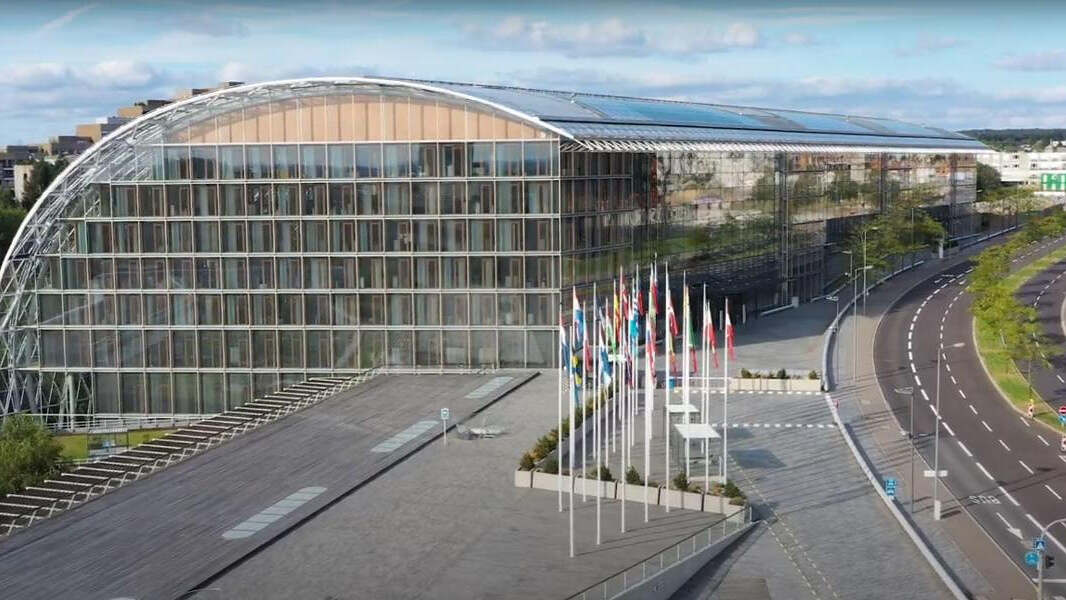
So, while I store solar energy in batteries – which in turn provide enough power for wildfire prevention purposes – the state would grant me a 23% tax bonus on all products and services linked to my clean energy investment: a real boost. Since my resilience benefits the state and helps me protect my forest, we both win – I, the taxpayer, and the state. We would need to find a catchy name for the legislation, because together with other potential tax incentives, the European Investment Bank in Luxembourg (https://www.eib.org/de/press/all/2026-311-eib-group-simplifies-access-to-green-finance-and-approves-over-eur11-billion-in-new-investments) offers financing options for numerous projects in the clean and sustainable energy sector.
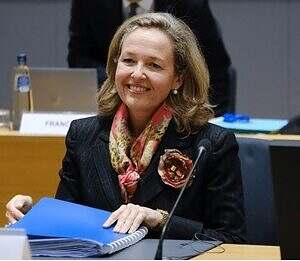 The European Investment Bank Group (EIB) aims to further reduce the administrative burden for companies, banks and public institutions applying for green project financing. Nadia Calviño, President of the EIB Group, stated: “The simplified rules adopted today reduce the administrative burden on businesses and accelerate investment approvals. We are eliminating over-regulation and focusing on implementation and results.”
The new EIB framework supports the goals of the Paris Agreement while simplifying access to finance, particularly for smaller enterprises. Let’s make it happen.